
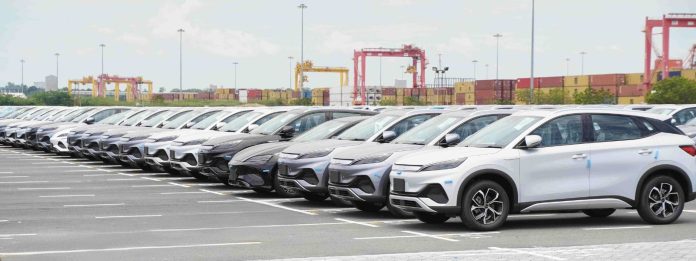
Sri Lanka’s vehicle sector is showing signs of transition, with registrations surging to 59,734 in March from 51,682 in February, even as imports slowed sharply, according to JB Securities. CEO Murtaza Jafferjee noted that import values declined from $240.9 million in December 2025 to $148.4 million in February 2026, reflecting weaker inflows, particularly in personal vehicles.
The rise in registrations is largely attributed to existing inventory being cleared, rather than fresh imports. This trend contributed to Sri Lanka posting a current account surplus in February. Meanwhile, vehicle-related tax revenue reached Rs. 905 billion in 2025, significantly boosting fiscal performance.
However, the divergence between registrations and imports signals a tapering contribution to GDP growth and government revenue. Rising fuel costs and pricing distortions are expected to reshape consumer behaviour, potentially accelerating demand for electric vehicles. Analysts suggest that reforms in fuel pricing mechanisms and vehicle taxation structures are essential to ensure long-term economic efficiency and stability.
