
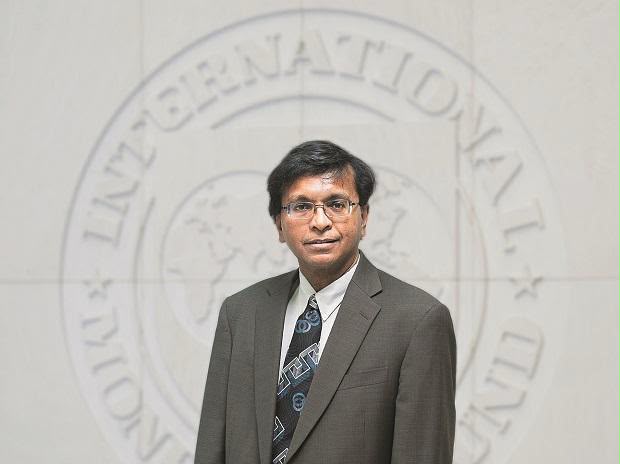
India’s economic growth could face significant challenges in the current financial year as rising global oil prices and an uncertain monsoon season emerge as the country’s biggest downside risks, according to Ranil Salgado, the International Monetary Fund’s Senior Resident Representative for India and Bhutan. Speaking in an interview with Reuters, Salgado said the widening conflict in the Middle East and weather conditions linked to El Niño could place additional pressure on Asia’s third largest economy.
The IMF recently revised India’s growth forecast for the financial year to 6.4 per cent, reflecting concerns over external and domestic risks. With India importing nearly 80 per cent of its crude oil requirements, prolonged increases in global energy prices could fuel inflation, raise import costs and weaken overall economic activity. Salgado noted that the renewed geopolitical tensions have already created uncertainty in global energy markets.
He also cautioned that the full impact of this year’s delayed and potentially weak monsoon has yet to be reflected in the IMF’s projections. As agriculture remains a vital contributor to India’s economy and rural livelihoods, below normal rainfall could affect crop production, household incomes and food prices, adding further inflationary pressure.
Separately, Salgado confirmed that the IMF plans to reassess the quality of India’s national accounts after the country introduces revised GDP data based on a new base year. The review follows a series of statistical improvements undertaken by Indian authorities to strengthen the accuracy and reliability of national economic data.
