
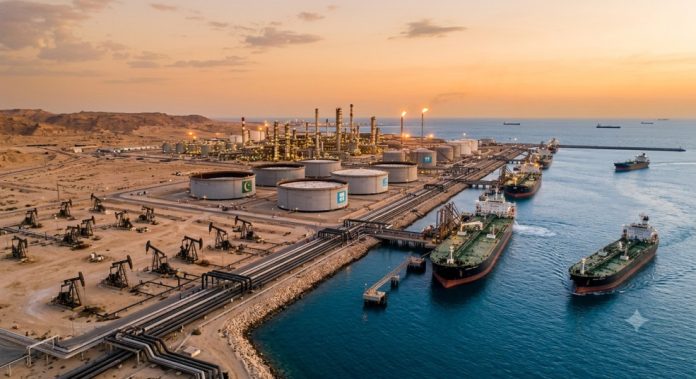
Global oil prices edged lower after OPEC+ agreed to raise crude oil production targets for the fifth consecutive month, signalling a further increase in global supply and easing concerns over potential shortages following recent geopolitical tensions in the Middle East.
Under the latest agreement, the alliance of major oil-producing nations will increase production targets by 188,000 barrels per day from August, continuing its gradual strategy of restoring output that had previously been curtailed. The decision comes as oil exports through the Strait of Hormuz continue to recover, improving confidence in global energy supply chains.
Following the announcement, Brent crude slipped to around US$71.99 per barrel, while West Texas Intermediate (WTI) settled near US$68.55 per barrel, with prices returning to levels seen before the recent conflict involving Iran. Market sentiment has also been influenced by Saudi Arabia’s decision to reduce its official selling prices for August crude exports to Asia, intensifying competition among major oil exporters.
Analysts believe the combination of higher OPEC+ production, recovering shipping through the Strait of Hormuz and increased output from regional producers is shifting market attention from supply disruption risks towards the prospect of a better-supplied global oil market. Nevertheless, geopolitical uncertainty, ongoing negotiations involving Iran and broader global economic conditions continue to influence market sentiment.
For energy-importing countries such as Sri Lanka, relatively stable or lower crude oil prices could help reduce import costs, ease inflationary pressures and support economic recovery. However, economists caution that energy markets remain highly sensitive to geopolitical developments, production decisions and fluctuations in global demand.
The latest OPEC+ decision underscores the delicate balance between maintaining price stability and ensuring adequate global energy supplies, with policymakers, businesses and investors continuing to monitor developments closely as the international energy landscape evolves.
