
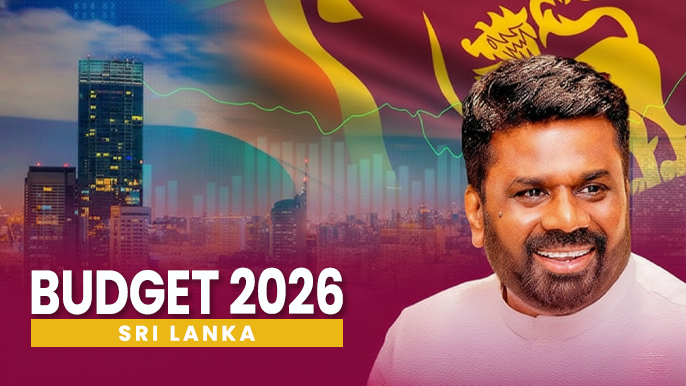
Sri Lanka is on course to return to pre-crisis economic levels by the end of 2025, with projections indicating a 7 percent economic growth from 2026, President Anura Kumara Dissanayake announced while presenting the 2026 Budget in Parliament.
The President, in his capacity as Finance Minister, said Foreign Direct Investment had reached USD 823 million by September 2025, reflecting renewed investor confidence. Highlighting digital transformation, he announced plans to expand digital infrastructure, establish a virtual economic zone, and issue the first digital identity card in March 2026.
He added that inflation will be maintained below 5 percent, while the debt ratio is expected to fall to 87 percent by 2030. Government revenue-to-GDP ratio is projected to reach 16 percent by 2025, with targets of 15.3 and 15.4 percent in 2026 and 2027 respectively.
The budget allocates Rs. 1,000 million for investment zone development, Rs. 750 million for Artificial Intelligence service centres, and Rs. 342 billion for road infrastructure. Health sector allocations include Rs. 12,000 million for a 16-floor National Cardiology Unit.
The 2026 Budget also introduces concessions for Small and Medium Enterprises, tax relief for digital investments, and measures to promote inclusive digital access and tourism growth, in addition to taking many other steps focused on the economic development of the country.
(Excerpt from a news report by Varuna Dayaratne and Irangika Range published in the Daily News.)
