
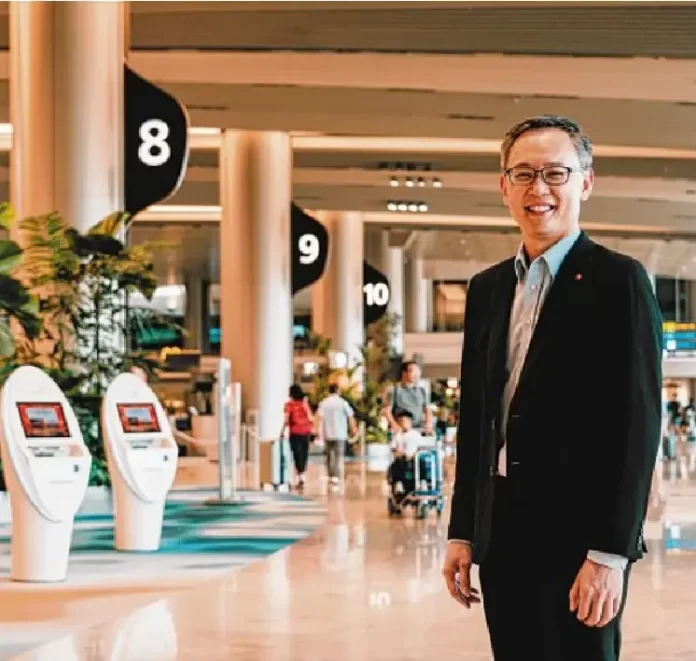
Singapore’s Changi Airport is positioning itself to capitalise on the rapid expansion of the Asia Pacific aviation market by strengthening partnerships with airlines, improving operational efficiency and investing in long term infrastructure to reinforce its status as one of the world’s leading air transport hubs. These plans were outlined by Lim Ching Kiat, Executive Vice President of Air Hub and Cargo Development at Changi Airport Group, during a media briefing reported by The Business Times.
Lim said the Asia Pacific region will remain the principal engine of global aviation growth over the coming decades, with Southeast Asia expected to generate particularly strong demand because of its expanding population, rising incomes and growing middle class. He noted that Changi Airport is well positioned to benefit from these trends because of Singapore’s strategic location and strong international connectivity.
The airport plans to expand its network by adding connections to emerging cities across China, India, Indonesia and Vietnam, while also exploring opportunities in Central Asia and the Middle East. Changi is focusing not only on major economic centres but also on secondary cities with growing tourism and business potential.
Lim emphasised that strong partnerships with airlines remain the airport’s greatest competitive advantage. Changi is working closely with aviation partners to improve efficiency through automation, artificial intelligence and digital technologies that reduce aircraft turnaround times and operating costs while enhancing the passenger experience.
Looking ahead, the development of Terminal 5 and continued investment in technology and infrastructure are expected to support Changi’s long term growth strategy. Despite an increasingly volatile global environment, Lim expressed confidence that Singapore’s consistent policies and trusted reputation will continue to attract airlines and strengthen the country’s position as a leading international aviation and logistics hub.
