
SpaceX’s Million AI Satellites Vision Faces Scepticism from Industry Experts
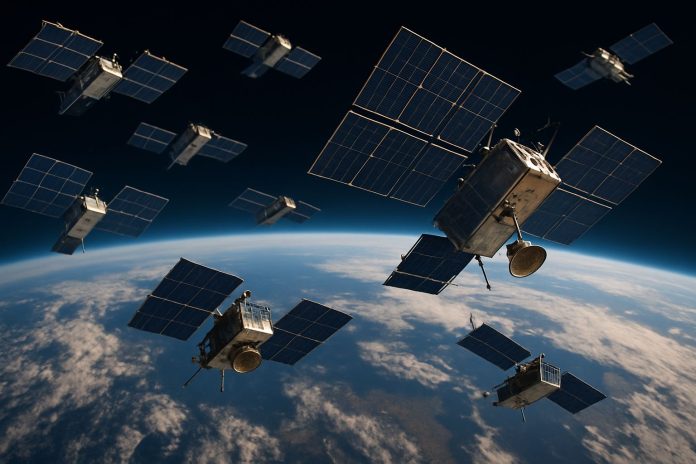
A bold vision unveiled by SpaceX founder Elon Musk to deploy a constellation of one million artificial intelligence-powered satellites in orbit has sparked intense debate within the global space industry, with leading experts warning that the ambitious project could expose the company to unprecedented financial and operational risks.
According to an article by Kevin Holden Platt published in Forbes, Musk has proposed launching a vast network of orbital data centres beginning in 2028 to support AI-driven applications and future human expansion beyond Earth. The initiative forms part of a broader strategy aimed at creating space-based computing infrastructure capable of serving billions of users worldwide.
However, prominent rocket engineer and space scholar Dr Robert Zubrin has questioned both the economic viability and technical feasibility of the proposal. Speaking to Forbes, Zubrin estimated that deploying one million satellites using SpaceX’s existing manufacturing and launch systems could cost approximately US$2 trillion, a figure comparable to the company’s anticipated valuation following a future initial public offering.
Musk argues that rapid advances in reusable launch technology and the development of the Starship rocket system could dramatically reduce the cost of placing computing infrastructure in orbit. He has suggested that space-based AI processing could become cheaper than terrestrial alternatives within the next few years.
Nevertheless, critics point to the enormous logistical challenge involved. SpaceX currently leads the global launch market and has successfully deployed more than 10,000 Starlink satellites. Yet scaling operations to support thousands of launches annually would require a level of operational capacity never before achieved in the aerospace sector.
Despite the scepticism, Musk’s proposal highlights the growing convergence of artificial intelligence, satellite communications, and space infrastructure. Whether the concept ultimately proves revolutionary or overly ambitious, it underscores the increasingly expansive vision driving the next chapter of the global space economy.
